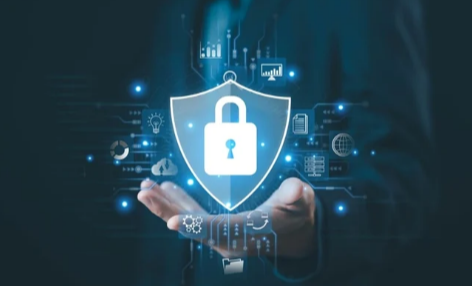

In today’s digital landscape, the significance of robust cybersecurity practices cannot be overstated. Strong passwords serve as the first line of defense against unauthorized access. Multi-factor authentication enhances security by requiring additional verification. Regular software updates are crucial for mitigating vulnerabilities. Furthermore, safe browsing habits protect users from potential threats. Each of these elements plays a vital role in a comprehensive security strategy. However, the implications of neglecting these practices can be severe.
Understand the Importance of Strong Passwords
Passwords serve as the first line of defense in cybersecurity, acting as digital keys to personal and sensitive information.
Emphasizing password complexity is essential; longer, varied character sets significantly enhance security.
Password managers facilitate the creation and storage of complex passwords, reducing the temptation to reuse simple ones.
Implement Multi-Factor Authentication
To enhance security further, implementing multi-factor authentication (MFA) is a critical step in safeguarding digital accounts.
By employing varied authentication methods, such as SMS codes or biometric scans, organizations can significantly reduce unauthorized access.
Additionally, user education is essential; users must understand the importance of MFA and how to utilize it effectively.
This layered approach amplifies security, promoting a safer online experience.
Regularly Update Software and Systems
Regularly updating software and systems is a fundamental practice in maintaining robust cybersecurity defenses.
This includes timely software patching and implementing necessary system upgrades to address vulnerabilities.
By ensuring that applications and operating systems are current, organizations can mitigate risks posed by cyber threats, enhancing their overall security posture.
Vigilance in updates empowers users and businesses to protect their digital freedoms effectively.
Read Also: Cloud Technology for Businesses
Practice Safe Browsing Habits
Maintaining updated software and systems significantly contributes to cybersecurity, but users must also adopt safe browsing habits to further protect themselves online.
Utilizing private browsing features can minimize tracking, while ensuring secure connections through HTTPS safeguards data transmission.
Awareness of phishing attempts and avoiding unfamiliar sites are crucial practices.
Collectively, these habits empower individuals, enhancing their autonomy in navigating the digital landscape securely.
Conclusion
In the realm of cybersecurity, adopting best practices is paramount to safeguarding personal information. As the adage goes, “An ounce of prevention is worth a pound of cure.” By prioritizing strong passwords, enabling multi-factor authentication, consistently updating software, and exercising safe browsing habits, individuals significantly reduce their vulnerability to cyber threats. A proactive approach not only enhances security but also fosters confidence in navigating the digital landscape, ultimately enabling users to protect their sensitive data effectively.


 By
By



 By
By