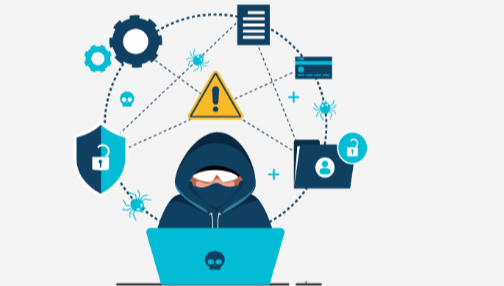

Cyber threats have evolved into a complex landscape that poses serious challenges for organizations. Phishing attacks manipulate human behavior to extract sensitive information, while ransomware can incapacitate entire systems. Additionally, malware takes various forms, exploiting vulnerabilities within software. Insider threats, often overlooked, highlight risks from within an organization itself. Understanding these threats is crucial for developing effective countermeasures and enhancing overall security posture. What strategies can organizations implement to mitigate these risks effectively?
Phishing Attacks
Although phishing attacks have evolved in sophistication over the years, their core strategy remains fundamentally the same: deceiving individuals into divulging sensitive information.
These email scams leverage social engineering tactics, exploiting psychological triggers to manipulate users into compliance.
Read Also: Cloud Technology for Businesses
Ransomware
As organizations increasingly rely on digital infrastructure, ransomware has emerged as a formidable cyber threat that can cripple operations and inflict severe financial losses.
Effective ransomware prevention strategies, including regular software updates and employee training, are essential.
Additionally, robust ransomware recovery plans, involving secure backups and incident response protocols, can mitigate damage and facilitate a swift return to normalcy, safeguarding organizational resilience.
Malware
Malware, a collective term for malicious software designed to disrupt, damage, or gain unauthorized access to computer systems, poses a significant risk to organizations worldwide.
Various malware types, including viruses, worms, and Trojans, exploit vulnerabilities in systems.
Effective malware prevention strategies, such as regular software updates, firewalls, and user education, are critical in mitigating these threats and safeguarding organizational integrity.
Insider Threats
Insider threats represent a complex and often underestimated challenge within organizational cybersecurity frameworks.
These threats can arise from employee negligence, leading to significant data leaks and breaches of sensitive information. Unlike external threats, insiders have legitimate access, complicating detection and prevention efforts.
Organizations must implement comprehensive monitoring and training programs to mitigate risks associated with insider actions and foster a culture of cybersecurity awareness.
Conclusion
In conclusion, the landscape of cyber threats necessitates a proactive and informed approach from organizations. As the saying goes, “a stitch in time saves nine,” highlighting the importance of timely interventions such as regular software updates, employee training, and effective incident response strategies. By recognizing and addressing the complexities of phishing, ransomware, malware, and insider threats, organizations can fortify their defenses and mitigate risks, ultimately fostering a more resilient cybersecurity environment.


 By
By



 By
By