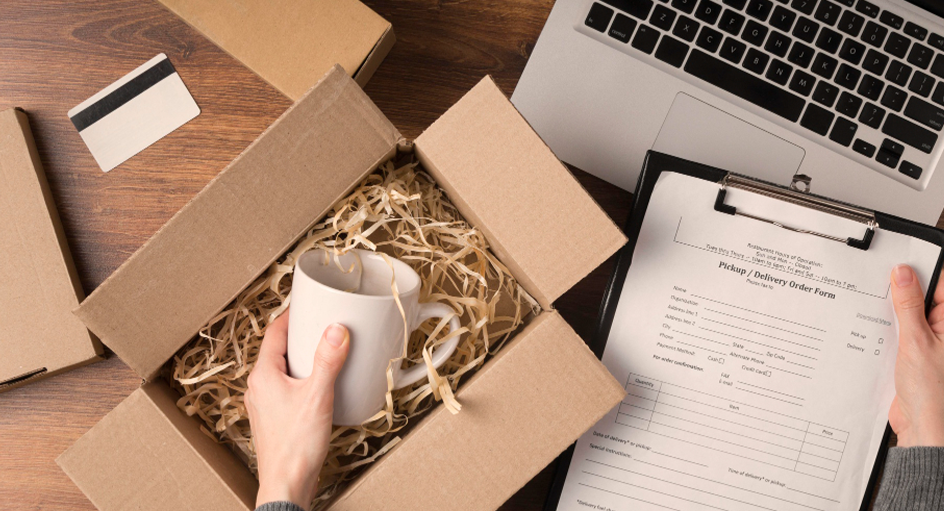

Packaging plays a major role in how customers see your brand. It protects products, improves presentation, and influences buying decisions. Whether you run an e-commerce store, retail shop, or warehouse operation, choosing the right packaging bags is essential for both protection and professionalism.
With so many options available today, selecting the right type of bag can feel confusing. This complete guide will help you understand different packaging bag types, materials, and how to choose the best solution for your business needs.
Why Packaging Bags Matter
Packaging is more than just wrapping a product. The right bag can:
Protect items during shipping
Improve customer experience
Strengthen brand image
Reduce damage and returns
Support sustainability goals
Businesses that invest in quality packaging often see higher customer satisfaction and fewer complaints.
Step 1: Understand Your Product Requirements
Before choosing packaging bags, consider the type of product you are shipping.
Ask yourself:
Is the product fragile?
Is it lightweight or heavy?
Does it require moisture protection?
Does it need extra padding?
Will it be shipped locally or internationally?
For example, clothing and soft goods may only require durable shipping mailers, while fragile items may need protective padded solutions.
Step 2: Learn About Different Types of Packaging Bags
There are several common packaging bag options available.
Poly Mailers
Lightweight and water-resistant. Ideal for clothing, documents, and soft goods.
Padded Mailers
Provide extra cushioning for small electronics or delicate items.
Plastic Shipping Bags
Strong and tear-resistant. Suitable for various retail and wholesale products.
Paper Versandtaschen
Eco-friendly and professional. Great for documents and lightweight items.
If you are looking for a wide range of professional shipping solutions, platforms like beutel-shop.ch offer various packaging bag options suitable for businesses of all sizes.
Step 3: Consider Material Quality
Material quality affects both durability and presentation.
Common materials include:
LDPE (Low-Density Polyethylene)
HDPE (High-Density Polyethylene)
Kraft paper
Recycled plastics
High-quality materials reduce tearing and protect against moisture. Cheap materials may lower costs but increase damage risks.
Choosing reliable suppliers ensures consistent product quality.
Step 4: Focus on Sustainability
Modern customers care about eco-friendly packaging.
Consider:
Recyclable materials
Biodegradable options
Reusable packaging
Reduced plastic usage
Sustainable packaging not only protects the environment but also strengthens your brand image.
Many businesses now choose eco-conscious suppliers to align with environmental goals.
Step 5: Choose the Right Size
Selecting the correct bag size is crucial.
Too large:
Wastes material
Increases shipping costs
Looks unprofessional
Too small:
Risks product damage
Causes packaging stress
Measure your products accurately and choose packaging that fits securely without excessive empty space.
Professional suppliers like beutel-shop.ch typically provide detailed size guides to help businesses select the correct dimensions.
Step 6: Evaluate Closure Options
Different bags come with different sealing methods.
Common options include:
Self-adhesive strips
Zip-lock closures
Heat sealing
Tear-resistant seals
Self-adhesive strips are popular for e-commerce businesses because they are fast and secure.
Strong sealing reduces tampering and protects products during transit.
Step 7: Branding Opportunities
Packaging is part of your marketing strategy.
Custom-printed bags can:
Increase brand visibility
Improve unboxing experience
Create professional appeal
Build customer loyalty
If your budget allows, consider adding your logo or brand message to your packaging.
Even simple branded packaging can leave a lasting impression.
Step 8: Compare Bulk Pricing
Packaging costs can add up quickly.
Before ordering, compare:
Unit pricing
Bulk discounts
Shipping costs
Delivery times
Buying in bulk often reduces overall cost per unit. However, ensure you have proper storage space before placing large orders.
Step 9: Test Before Large Orders
Always test samples before committing to a large purchase.
Check:
Material thickness
Seal strength
Tear resistance
Moisture protection
Testing prevents future issues and ensures the packaging meets your expectations.
Step 10: Think About Customer Experience
Packaging is the first physical interaction customers have with your brand.
Ask yourself:
Does the packaging look professional?
Is it easy to open?
Does it protect the product properly?
Does it reflect your brand values?
A positive unboxing experience increases repeat purchases and positive reviews.
See also: Understanding, Supporting, and Prioritizing Well-Being
Common Mistakes to Avoid
Here are mistakes businesses often make:
Choosing the Cheapest Option
Low-quality packaging can lead to product damage and higher return rates.
Ignoring Sustainability
Customers increasingly prefer environmentally responsible brands.
Overlooking Size Accuracy
Improper sizing wastes money and looks unprofessional.
Not Checking Supplier Reputation
Work with trusted suppliers to ensure consistency and reliability.
Benefits of High-Quality Packaging Bags
Investing in quality packaging offers:
Reduced shipping damage
Better brand perception
Improved customer satisfaction
Lower return rates
Long-term cost efficiency
Good packaging is not an expense — it is an investment in your business reputation.



 By
By